
Introduction
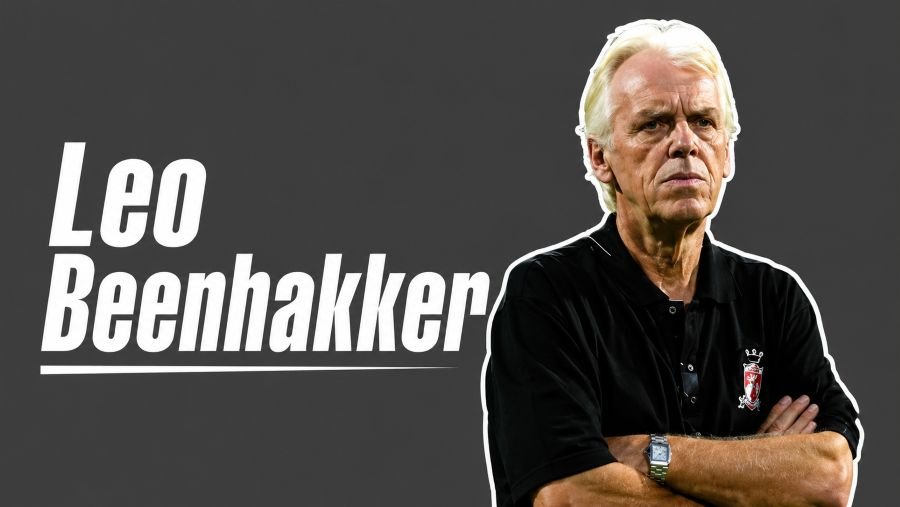
Leo Beenhakker was one of the most influential football minds the Netherlands ever produced. He began as a Dutch football player at amateur level, but his real greatness came from coaching, leadership, and understanding the emotional side of football. His journey from Rotterdam to Real Madrid, Ajax, Feyenoord, the Netherlands national team, Trinidad and Tobago, and Poland made him a respected name across world football.
His career carried many powerful moments, but it was not always smooth. The positive side of Leo Beenhakker’s story is his success, courage, and ability to win in different countries. The negative side is that even a great coach like him faced pressure, criticism, exits, and difficult tournaments. Still, his name remains connected with discipline, confidence, experience, and football intelligence.
Quick Bio
| Field | Details |
|---|---|
| Full Name | Leo Beenhakker |
| Real Name | Leo Beenhakker |
| Native Name | Leo Beenhakker |
| Nickname | Don Leo |
| Gender | Male |
| Date of Birth | 2 August 1942 |
| Date of Death | 10 April 2025 |
| Age at Death | 82 years |
| Birthplace | Rotterdam, Netherlands |
| Hometown | Rotterdam, Netherlands |
| Nationality | Dutch |
| Citizenship | Netherlands |
| Zodiac Sign | Leo |
| Profession | Football coach, manager, technical director, football advisor |
| Playing Role | Right winger at amateur level |
| Famous For | Coaching Real Madrid, Ajax, Feyenoord, Netherlands, Trinidad and Tobago, and Poland |
| Public Image | Charismatic, experienced, confident, respected, and outspoken |
Early Life of Leo Beenhakker
Leo Beenhakker was born in Rotterdam, a city known for its hard-working culture and deep football passion. That background helped shape his personality. He grew up around football, and the game became part of his identity from an early age. He did not become famous as a professional star on the field, but his early football experience gave him a strong understanding of players, dressing rooms, and team spirit.
Before becoming a famous coach, he played as a right winger at amateur level. This part of his life is important because it shows that a Dutch football player does not always need a glamorous playing career to become a major football figure. He used his playing experience as a foundation and later built a much bigger legacy from the touchline.
Football Education and Coaching Mindset
Leo Beenhakker’s rise came through learning, observation, and practical coaching. He developed his football knowledge in the Dutch football environment, where tactics, technique, and team structure were highly valued. His coaching mindset was based on organization, communication, discipline, and the ability to understand different football cultures.
He was not only a manager who selected players. He was a football teacher who knew how to motivate personalities, manage pressure, and create belief. That quality helped him work successfully in the Netherlands, Spain, Mexico, Trinidad and Tobago, Poland, and other football environments.
Career Beginning
Leo Beenhakker began his coaching career with SV Epe in 1965. That first role started a long football journey that would last for decades. He later worked with clubs such as Veendam, Cambuur, Go Ahead Eagles, Feyenoord youth, and Ajax youth before becoming a major senior manager.
These early years were not as famous as his Real Madrid period, but they were very important. They helped him understand development, team building, and the difference between coaching young players and managing senior professionals. His path proves that long-term success often begins with small roles, patience, and strong preparation.
Rise at Ajax
Leo Beenhakker became Ajax manager in 1979 and quickly proved that he could lead a top club. Ajax is one of the biggest names in Dutch football, and managing the club requires tactical knowledge, confidence, and the ability to handle high expectations. He won the Eredivisie title with Ajax in the 1979–80 season.
Later, he returned to Ajax and won another Eredivisie title in the 1989–90 season. This second success showed that his coaching quality was not limited to one period. He could adapt, return, and still win. For many fans, his Ajax career remains one of the key parts of his legacy.
Real Madrid and the Don Leo Era
The most powerful chapter of Leo Beenhakker’s career came at Real Madrid. He managed the Spanish giants from 1986 to 1989 and again in 1992. At Madrid, he became known as “Don Leo,” a nickname that reflected respect, authority, and admiration.
His Real Madrid team won three La Liga titles, one Copa del Rey, and two Spanish Super Cups. This period made him internationally famous. Managing Real Madrid is never easy because the club demands victory, style, and control under constant pressure. Leo Beenhakker handled that pressure and became one of the most successful Dutch coaches in Spanish football history.
Netherlands National Team
Leo Beenhakker also managed the Netherlands national team. Coaching a national team is different from club football because there is less time with players and more pressure during major tournaments. He led the Dutch team during important periods, including the 1990 FIFA World Cup.
That tournament did not bring the success many Dutch fans expected. The Netherlands were eliminated by Germany in the round of 16. This was one of the more difficult moments of his career, but it also showed the reality of football: even talented teams and respected coaches can face disappointment on the biggest stage.
Feyenoord Success
Feyenoord had a special meaning for Leo Beenhakker because of his Rotterdam roots. He became Feyenoord manager in the late 1990s and led the club to the Eredivisie title in the 1998–99 season. That achievement was powerful because Feyenoord is one of the Netherlands’ historic clubs, and winning the league brought huge pride to Rotterdam.
His Feyenoord title also made his Dutch football legacy more unique. He won major domestic success with both Ajax and Feyenoord, two famous rivals. That kind of achievement requires strong personality, football intelligence, and respect from different football communities.
International Journey
Leo Beenhakker was not limited to Dutch football. He worked across different countries and became known as an international football manager. His career included roles in Spain, Switzerland, Saudi Arabia, Mexico, Turkey, Trinidad and Tobago, Poland, Hungary, and the Netherlands.
One of his greatest international achievements came with Trinidad and Tobago. He guided the country to its first FIFA World Cup appearance in 2006. That achievement was historic because it gave a smaller football nation a place on the world stage. He also managed Poland and led them to UEFA Euro 2008, another important milestone in his coaching career.
Career Timeline
| Years | Team / Role |
|---|---|
| 1965–1967 | SV Epe manager |
| 1968–1972 | Veendam manager |
| 1972–1975 | Cambuur manager |
| 1975–1976 | Go Ahead Eagles manager |
| 1975–1977 | Feyenoord youth role |
| 1977–1979 | Ajax youth role |
| 1979–1981 | Ajax manager |
| 1981–1984 | Real Zaragoza manager |
| 1984–1985 | FC Volendam manager |
| 1985 | Netherlands manager |
| 1986–1989 | Real Madrid manager |
| 1989–1991 | Ajax manager |
| 1990 | Netherlands manager |
| 1992 | Real Madrid manager |
| 1992–1993 | Grasshoppers manager |
| 1993–1994 | Saudi Arabia manager |
| 1994–1995 | Club América manager |
| 1995 | İstanbulspor manager |
| 1995–1996 | Guadalajara manager |
| 1996–1997 | Vitesse manager |
| 1997–2000 | Feyenoord manager |
| 2000–2003 | Ajax technical director |
| 2003–2004 | Club América manager |
| 2005–2006 | Trinidad and Tobago manager |
| 2006–2009 | Poland manager |
| 2009–2011 | Feyenoord director of football |
| 2011 | Újpest director of football |
| 2013 | Trinidad and Tobago technical director |
| 2013–2015 | Sparta Rotterdam management and advisory roles |
| 2018 | Sparta Rotterdam advisor |
Coaching Style and Personality
Leo Beenhakker was known for his confident voice, sharp football opinion, and strong dressing-room presence. He had the ability to speak directly, but also to connect with players. That balance made him effective in different countries and football cultures.
His style was not only tactical. He understood human behavior. He knew that football teams need more than formations; they need belief, discipline, trust, and leadership. This is why many players and football people respected him even when results were difficult.
Major Achievements
Leo Beenhakker won Eredivisie titles with Ajax and Feyenoord. He won three La Liga titles with Real Madrid, along with domestic cup and super cup success. He also made history with Trinidad and Tobago by helping them reach the 2006 FIFA World Cup.
His work with Poland was also important because he guided the national team to Euro 2008. These achievements show that he was not just a club coach or a national coach. He was both. He could work with elite players, developing players, big clubs, and smaller football nations.
Public Image and Legacy
Leo Beenhakker had a powerful public image. He was charismatic, humorous, expressive, and sometimes outspoken. People listened when he spoke because he had lived through many football battles. His long career gave him authority, and his results gave weight to his words.
His legacy is built on success, but also on adaptability. He moved between countries, languages, cultures, and football systems. From a Dutch football player at amateur level to a global manager, his journey remains a lesson in persistence, learning, and leadership.
Death
Leo Beenhakker died on 10 April 2025 at the age of 82. His death was mourned by clubs, football bodies, former players, and fans. Real Madrid remembered him as a legendary coach, while Dutch football remembered him as one of its most colorful and successful football figures.
His passing marked the end of a remarkable football life. However, his impact remains alive through the clubs he shaped, the players he guided, and the historic moments he helped create.
Conclusion
Leo Beenhakker was more than a football manager. He was a strong leader, a brave decision-maker, and a true football personality. His life story proves that a Dutch football player with modest playing roots can become one of the most respected coaches in the world through knowledge, discipline, and character.
He experienced success, pressure, criticism, and disappointment, but he never lost his football identity. From Rotterdam to Madrid, from Ajax to Feyenoord, and from Trinidad and Tobago to Poland, his career remains one of the most inspiring coaching journeys in modern football history.
FAQ
Who was Leo Beenhakker?
He was a Dutch football coach, manager, technical director, and former amateur-level player.
When was he born?
He was born on 2 August 1942.
Where was he born?
He was born in Rotterdam, Netherlands.
What was his nickname?
He was widely known as Don Leo.
Was he a Dutch football player?
He played as a right winger at amateur level before becoming famous as a coach.
What was he famous for?
He was famous for coaching Real Madrid, Ajax, Feyenoord, Netherlands, Trinidad and Tobago, and Poland.
Did he have children?
He had a son and a daughter from his first marriage.
When did he die?
He died on 10 April 2025 at the age of 82.
What was his biggest club success?
He won three La Liga titles with Real Madrid.
What was his biggest international achievement?
He guided Trinidad and Tobago to their first FIFA World Cup appearance in 2006.
